
Article Summary: Discover how plastic food containers can revolutionize your kitchen storage, improve food safety, and save time. This guide covers types, materials, benefits, maintenance tips, and answers common questions to help you make informed decisions.
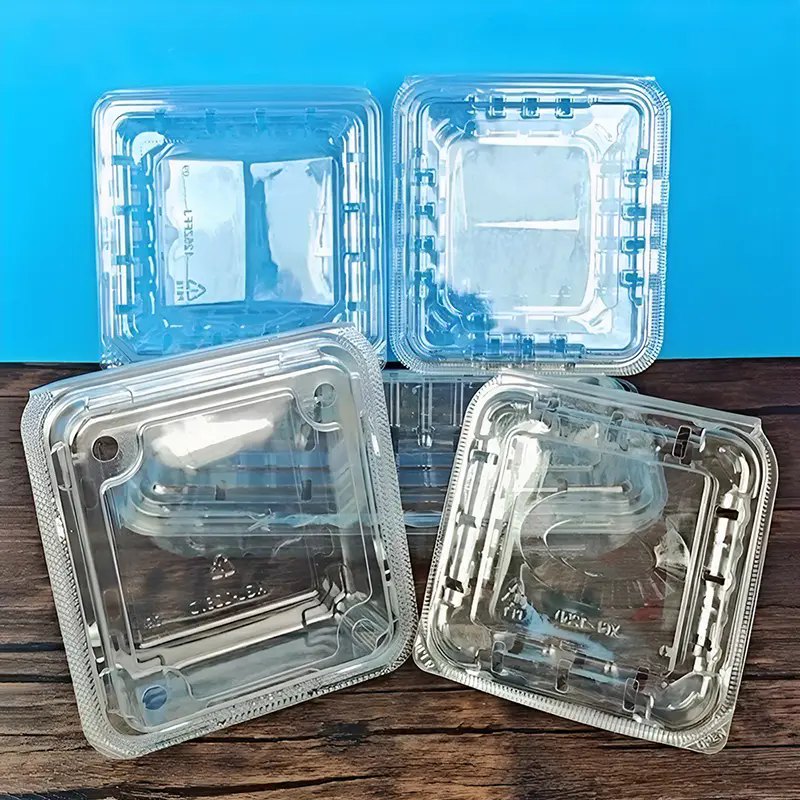
Plastic food containers have become a staple in modern kitchens due to their versatility and convenience. They help in organizing meals, preventing food spoilage, and reducing waste. For busy households and professional kitchens alike, these containers are indispensable tools for daily food management.
Understanding the types and materials of plastic containers is crucial for choosing the right product for your needs.
| Type | Material | Best Use | Pros | Cons |
|---|---|---|---|---|
| Storage Box | Polypropylene (PP) | Dry and cooked foods | Durable, microwave safe | Not fully heatproof |
| Snack Container | High-Density Polyethylene (HDPE) | Snacks, nuts | Lightweight, affordable | Limited heat resistance |
| Bento Box | Polycarbonate (PC) | Lunches on-the-go | Clear view of contents, reusable | Prone to scratching |
| Freezer Container | Low-Density Polyethylene (LDPE) | Freezing leftovers | Flexible, impact-resistant | Can warp under high heat |
Plastic food containers offer multiple advantages that cater to both household and commercial kitchens:
Proper care can extend the lifespan of your plastic food containers:
Even with quality plastic food containers, improper usage can compromise their performance:
Yes, if labeled as microwave-safe or heat-resistant. Materials like polypropylene (PP) are generally safe for hot foods.
Yes, containers made from LDPE or high-quality polypropylene are suitable for freezer use.
Rinse containers immediately after use, especially with tomato-based or oily foods, and occasionally soak in baking soda solution.
With proper care, high-quality containers like those from NINGBO POWERR can last several years without losing durability or performance.
Conclusion: Choosing the right plastic food containers can greatly enhance your kitchen efficiency, food safety, and convenience. With proper maintenance and awareness of materials, they provide a cost-effective and sustainable solution for everyday food storage.
Looking for premium, durable, and safe plastic food containers? NINGBO POWERR offers a wide range of high-quality containers to meet your needs. Contact us today to explore our products and improve your kitchen experience!