
Summary: Plastic bowls have become a staple in modern kitchens and dining. From home use to commercial settings, they offer convenience, durability, and versatility. This article explores the benefits, varieties, maintenance tips, and safety considerations of plastic bowls to help consumers make informed decisions and enhance their daily experiences.
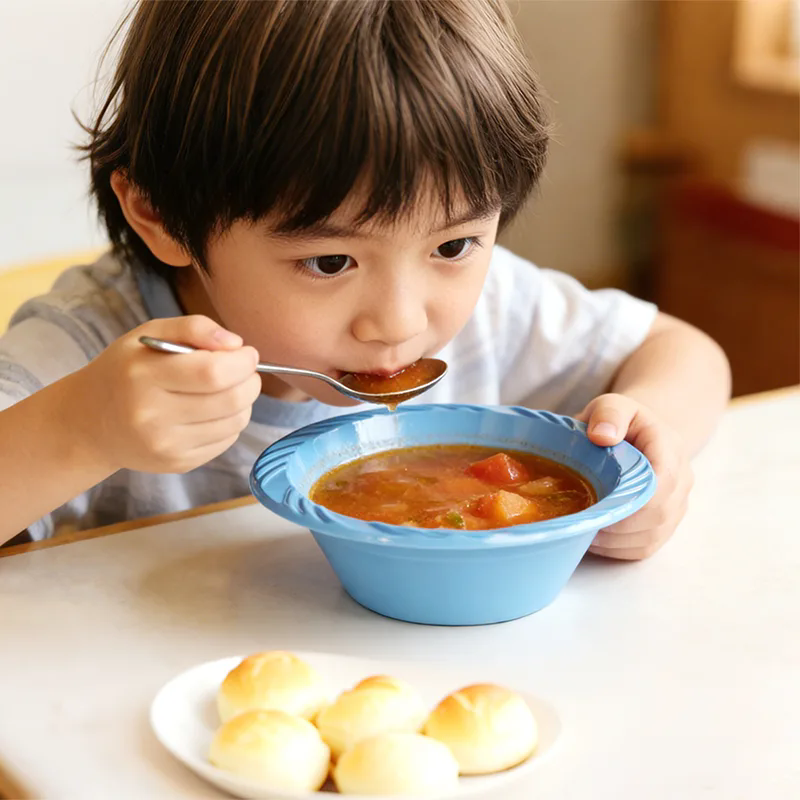
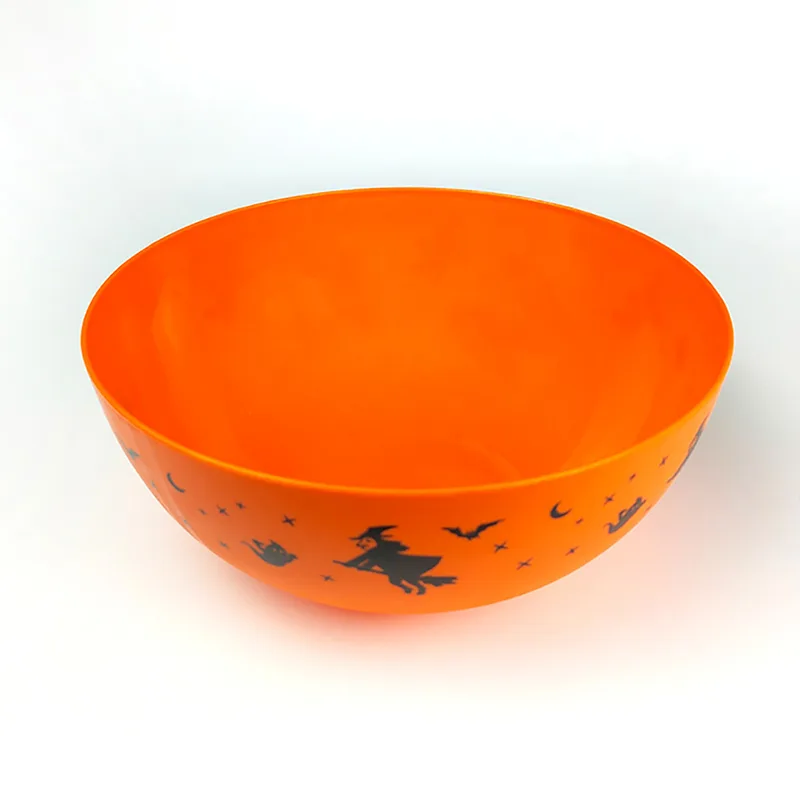
Plastic bowls are versatile containers widely used in households, restaurants, and catering services. Their lightweight nature, resistance to breakage, and affordability make them a preferred choice over glass or ceramic alternatives. Beyond convenience, modern plastic bowls are designed to be safe for food contact and environmentally considerate, with some being recyclable or made from sustainable materials.
Consumers often face confusion about choosing the right plastic bowl due to variations in size, material, and quality. Understanding these factors can significantly improve daily kitchen operations and ensure long-term usability.
Plastic bowls come in several types based on usage and design. Choosing the right type can enhance convenience and efficiency.
| Type | Description | Common Uses |
|---|---|---|
| Disposable Bowls | Single-use plastic bowls designed for parties, events, and take-out meals. | Picnics, catering, fast food |
| Reusable Bowls | Durable bowls that can withstand repeated washing and long-term use. | Home kitchens, restaurants, cafeterias |
| Microwave-Safe Bowls | Plastic bowls specially designed to withstand microwave heat without deforming. | Heating leftovers, meal prep |
| Collapsible Bowls | Space-saving bowls that fold flat for storage, ideal for travel or camping. | Camping, RVs, outdoor activities |
Plastic bowls are manufactured using different materials, each with unique properties:
Safety Tips:
To maximize the lifespan of plastic bowls, consider these maintenance tips:
Plastic bowls are highly adaptable. Here are some practical tips for maximizing their functionality:
Plastic bowls are a versatile and practical addition to any kitchen or dining environment. They offer durability, affordability, and convenience while catering to diverse needs—from everyday use to special occasions. By understanding the types, materials, and maintenance strategies, users can make informed choices that maximize value and safety.
For high-quality plastic bowls tailored to your needs, NINGBO POWERR provides a wide range of durable, food-safe options. Contact us today to explore our products and find the perfect solutions for your kitchen or business.