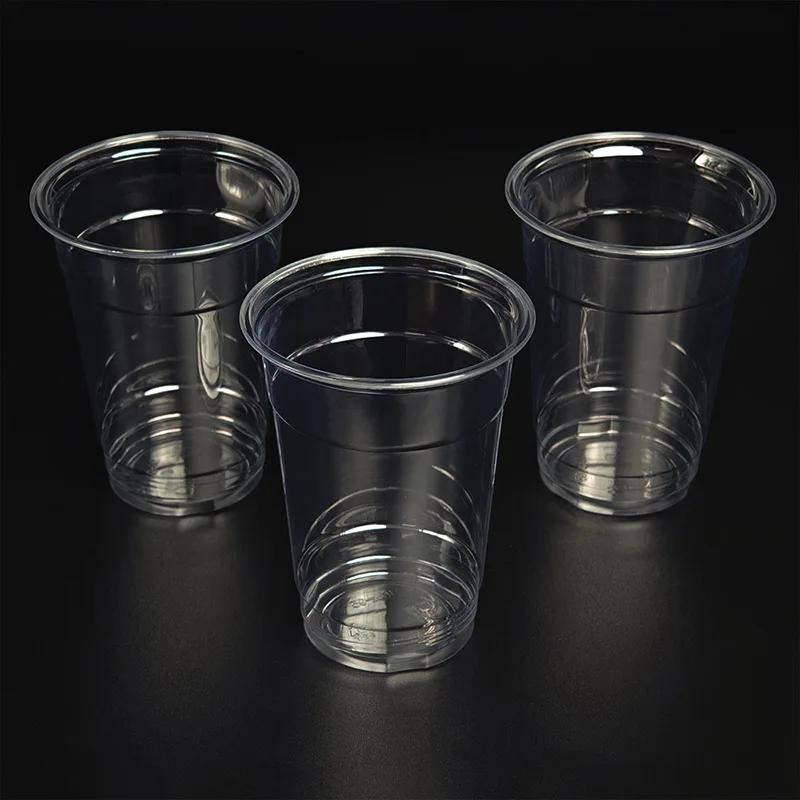
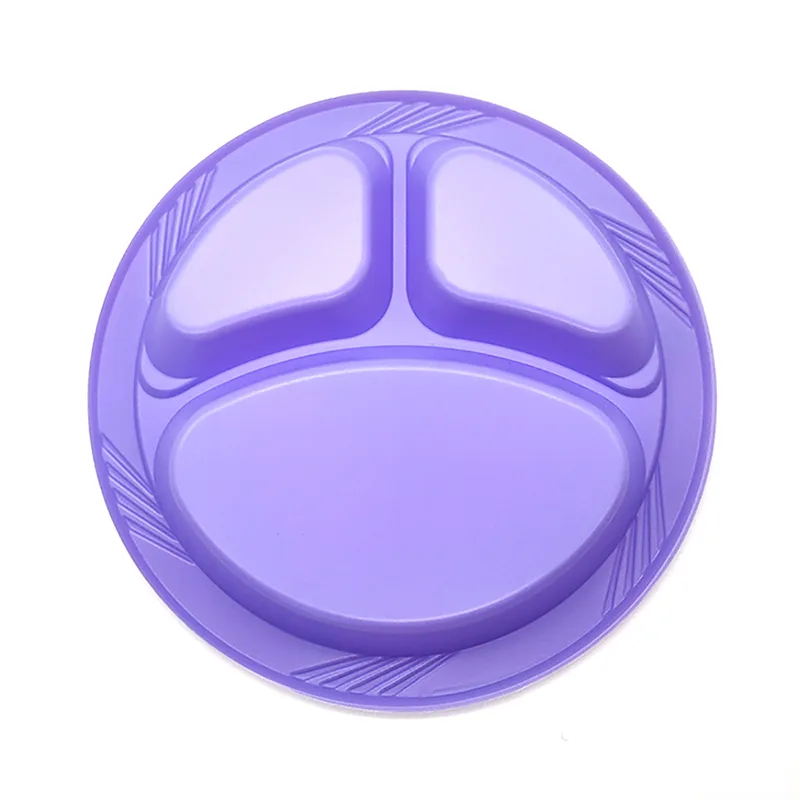
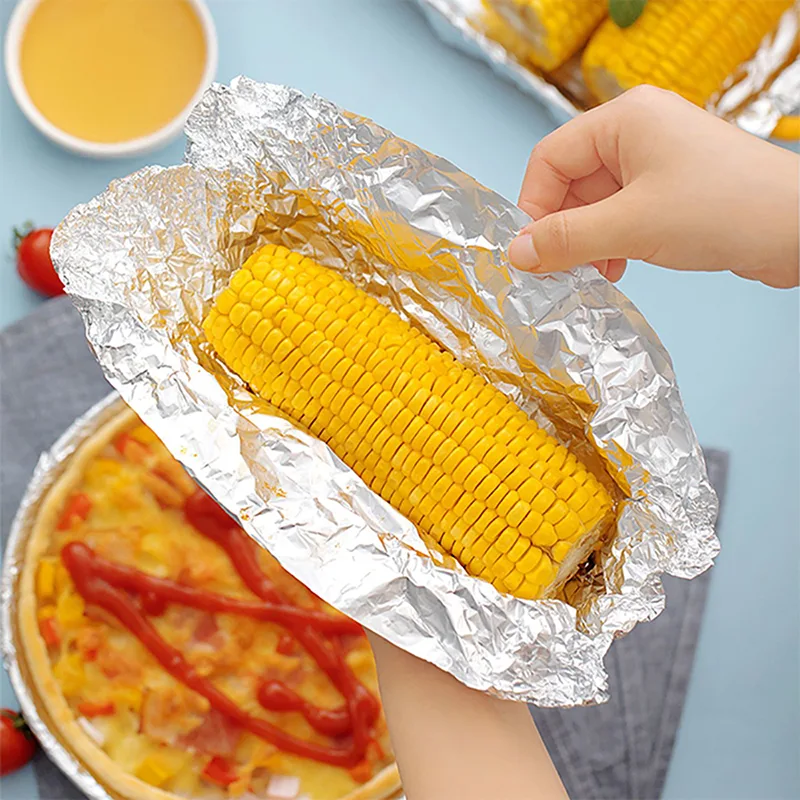
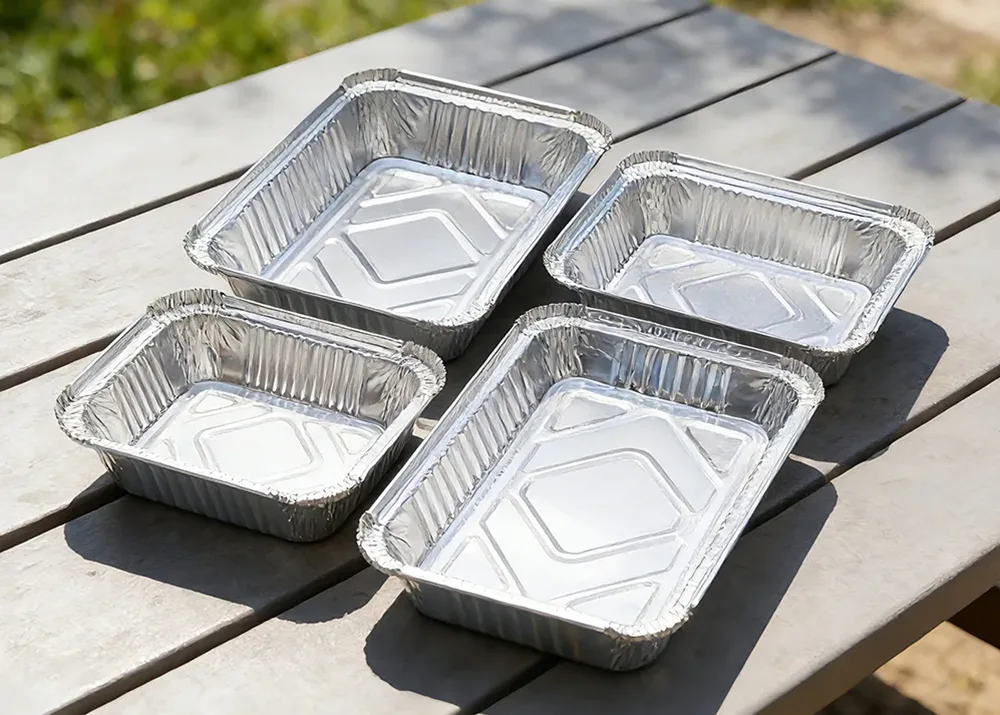
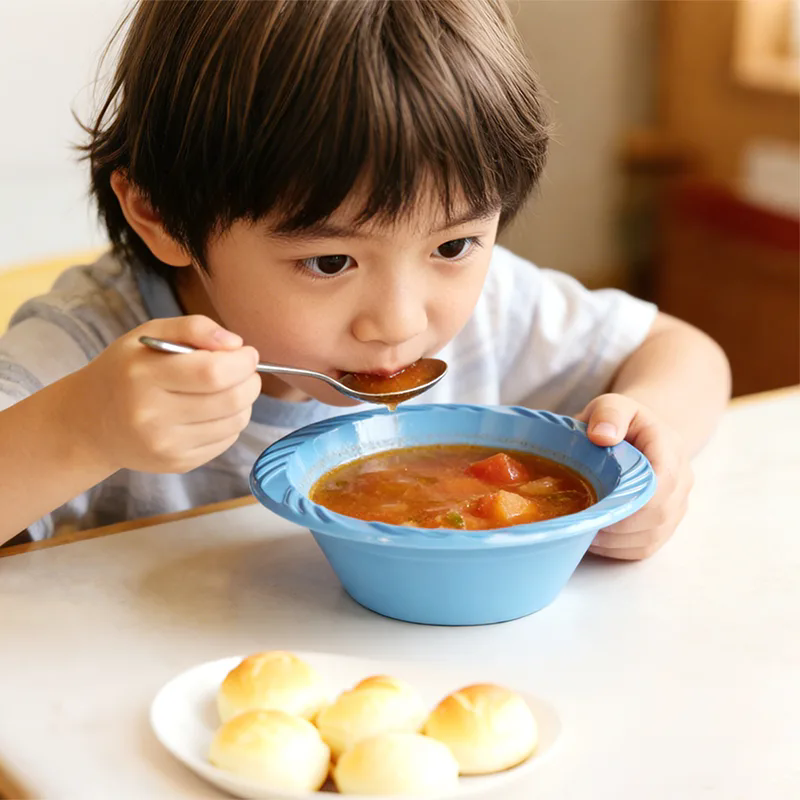
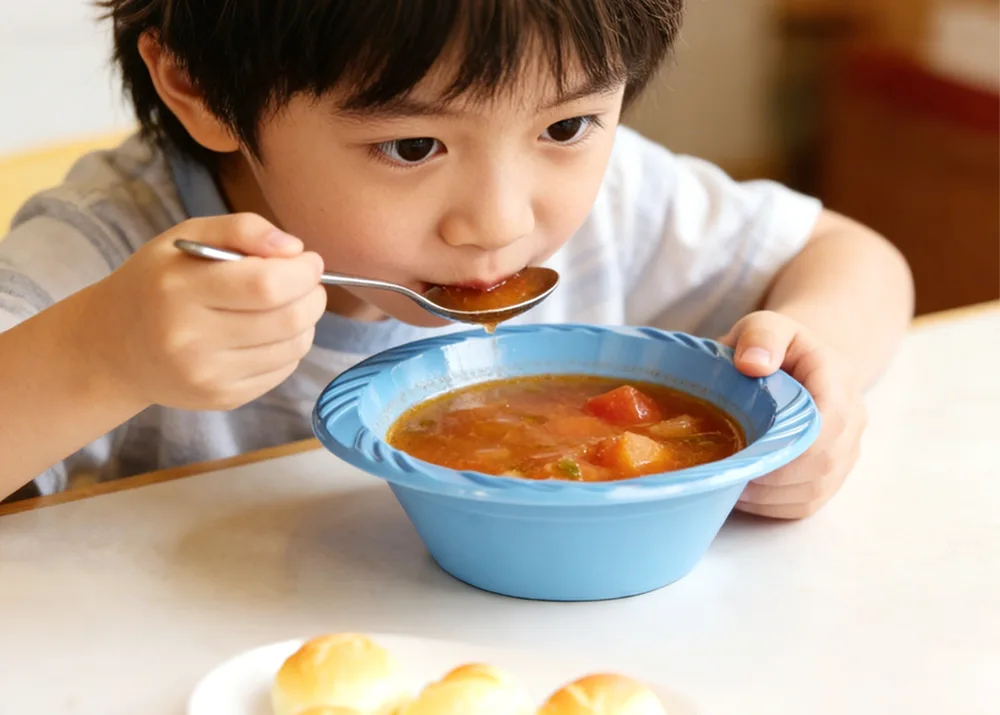
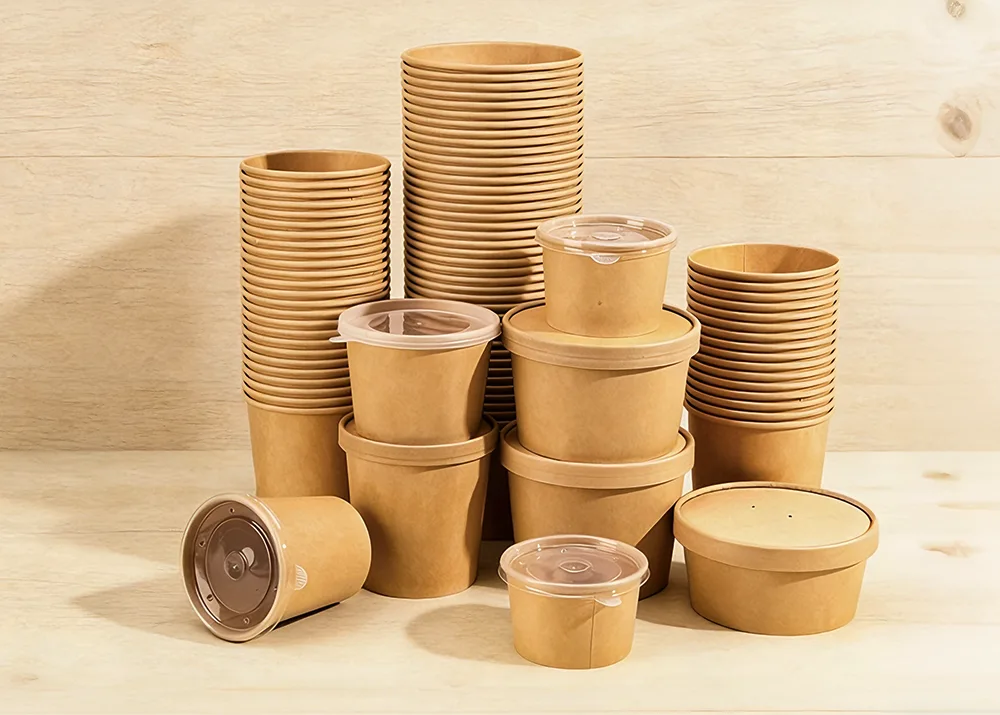
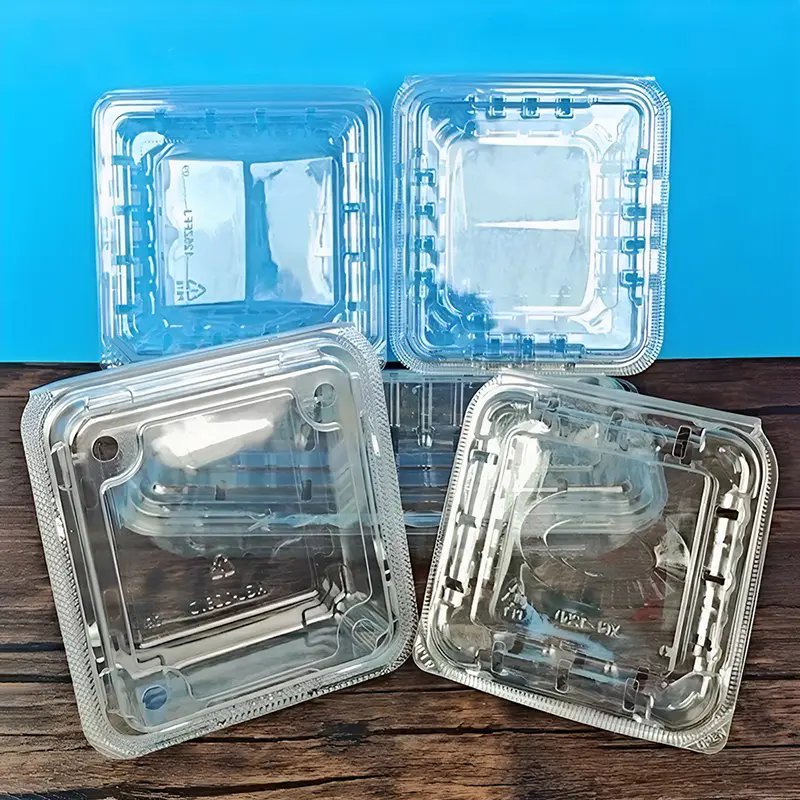
The key features of the plastic bowl: lightweight, shock-resistant, inexpensive, easy to carry, but there are significant differences in heat resistance, safety and durability.
1. Advantages
Durable and not prone to breakage
Much safer than ceramics and glass, suitable for children, the elderly, and outdoor use.
Light and easy to handle
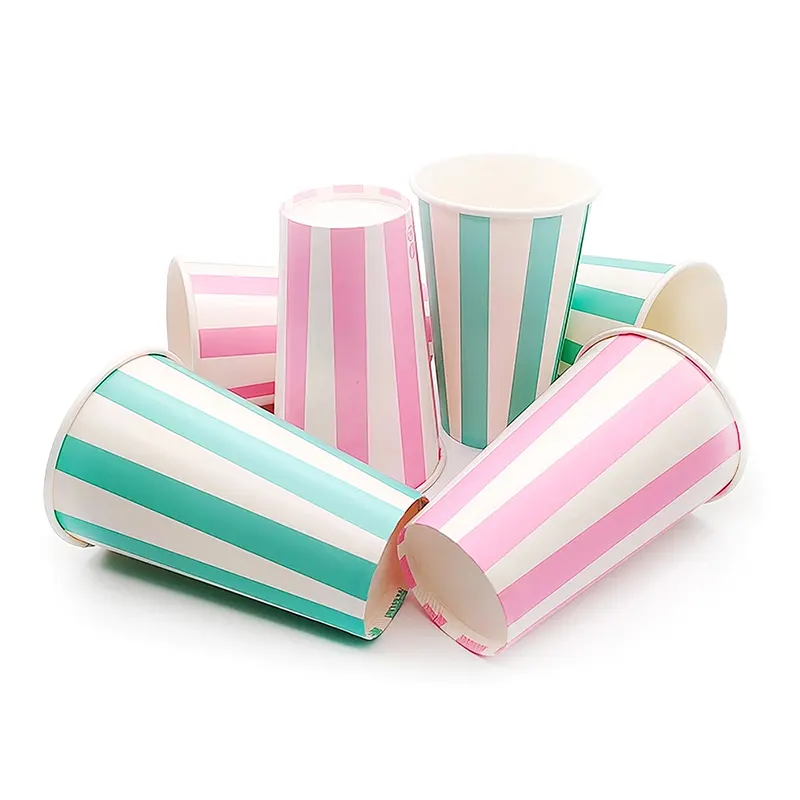
Light in weight, convenient to carry, suitable for picnics, takeout, cafeterias, and children's tableware. Low price
The cost is low. It is both disposable and reusable, making it economical.
A wide variety of styles
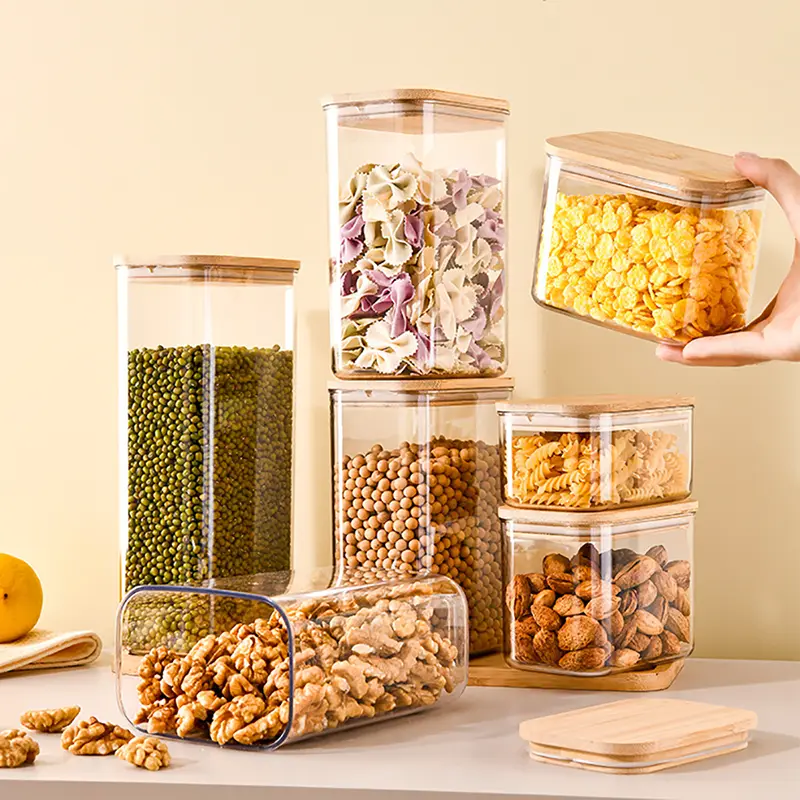
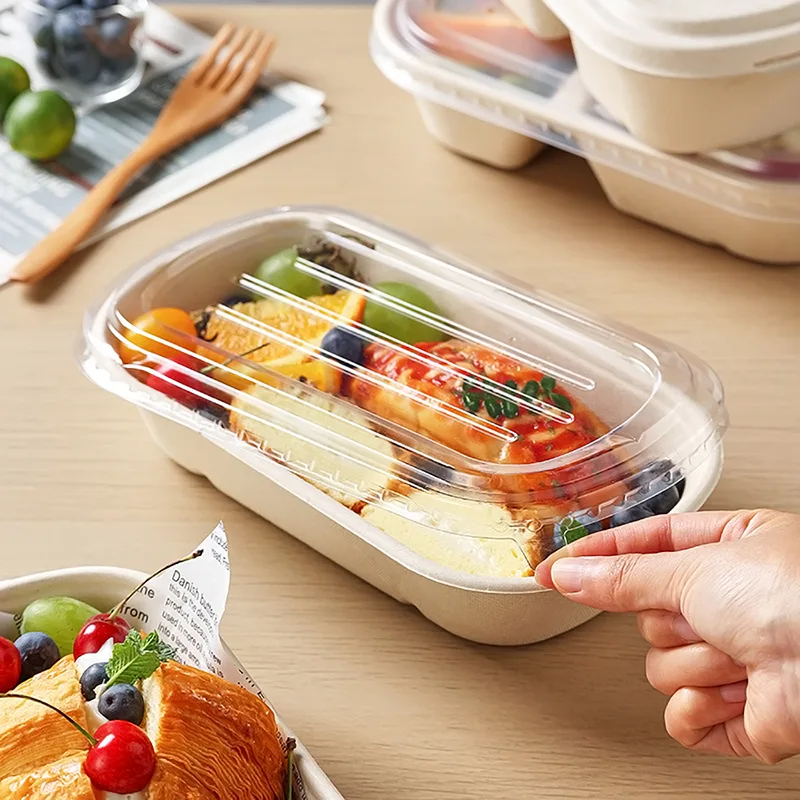
Rich in colors, capable of being made into cartoon shapes, with sealed lids, multi-layer lunch boxes, etc.
Not easy to conduct heat
When holding things that are not too hot, it is not very hot to the touch.
2. Disadvantages
Limited heat resistance
Most common plastics cannot hold extremely hot oil or soup as they tend to deform and release substances.
Prone to scratches and absorb oil stains
Over time, they will turn yellow, darken, and have a smell, making it difficult to clean thoroughly.
Not suitable for long-term high-temperature use
They cannot be placed in microwave ovens, sterilization cabinets, or steam cookers at will.
Environmental issues
Disposable plastic bowls are not environmentally friendly and are difficult to degrade.
3. Safety and Usage Tips (Most Practical)
Microwaveable and heatable: Prefer PP (Type 5) or Tritan
Do not use:
Containers for extremely hot oil, boiling soup
Containers that have held vinegar, oil, or alcohol-based foods for a long time
Containers that have deformed, turned white, cracked, have an unpleasant smell, and are still in use
4. Suitable Scenarios
Children's tableware, elderly use
Takeout packaging, fast food, canteens
Campers, picnics, dormitories
Temporary storage for cold dishes, fruits, and room-temperature food
We use cookies to offer you a better browsing experience, analyze site traffic and personalize content. By using this site, you agree to our use of cookies.Privacy Policy